
OVERSEAS PROJECT LOGISTICS

A project is more
than its longest leg.

A large project connects equipment, schedules and receiving conditions. Start with the full cargo list and the handovers that determine delivery, then discuss the transport combination.

Discuss your requirements
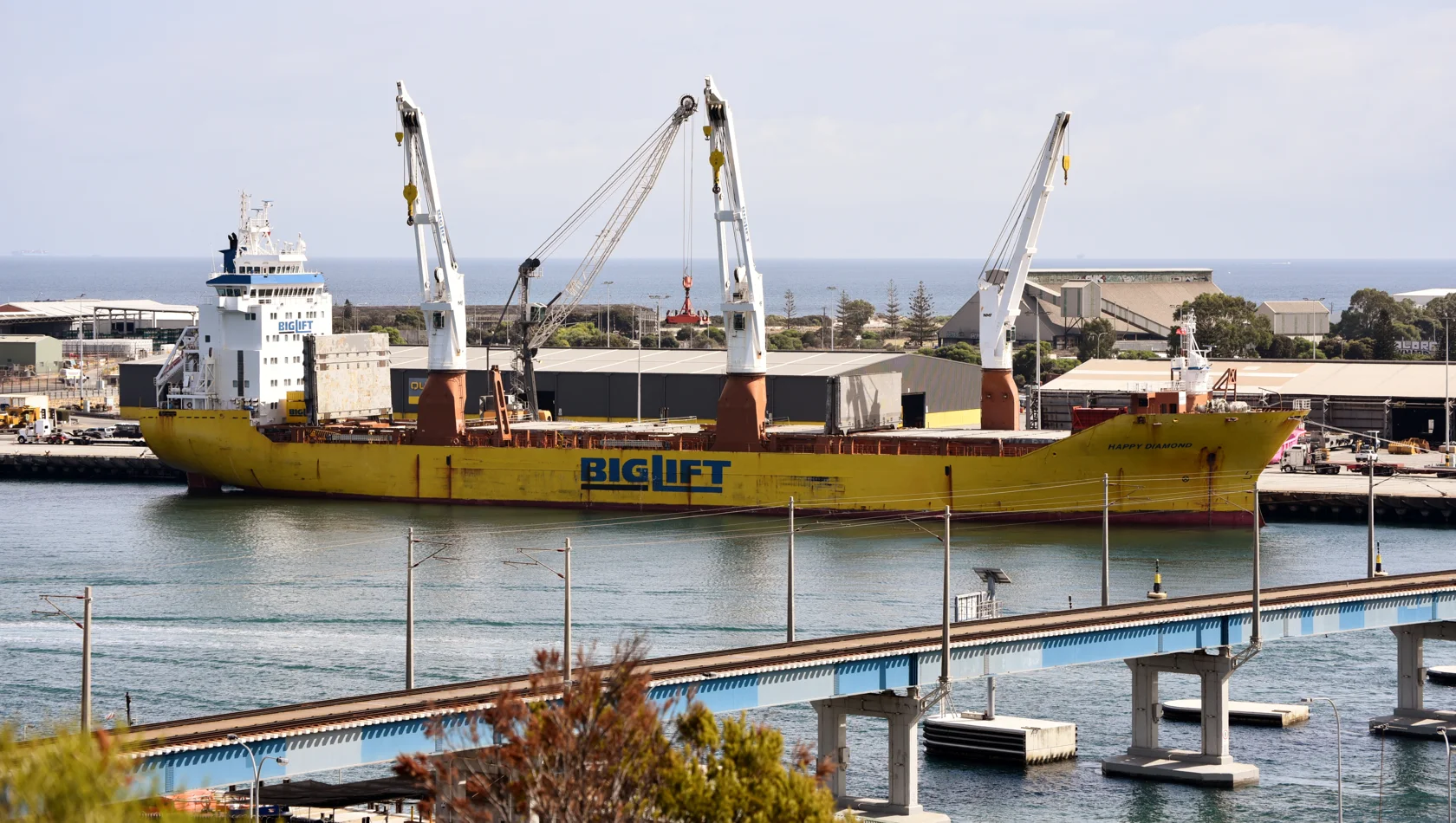
Industry photograph: the heavy-lift vessel Happy Diamond at a port, with its onboard cranes visible.
Industry reference photograph · Not company equipment or a completed project
01

One list, several transport decisions

A project may include standard containers, machinery with unusual dimensions, liquid cargo and time-sensitive items. Each item needs an appropriate equipment and transport review.

Sea, air, rail and inland legs can be discussed against the project programme. Possible use of special containers, breakbulk, heavy-lift or RoRo is subject to actual cargo, port and carrier acceptance.

02

Work backwards from the receiving site

The destination is more than a port name. Delivery windows, customs roles, inland access and the site’s receiving capability may affect shipment batches and handover arrangements.

Before quotation, clarify scope, responsibility, equipment information and any assumptions. Changes to cargo or schedule may require the plan to be reviewed.

03

Prepare the project brief

  • Project country, origin and required delivery milestones.
  • Equipment list, dimensions and weight for every piece.
  • Drawings and cargo-specific documentation where applicable.
  • Trade terms, customs/import roles and site receiving conditions.

03 / PROJECT THINKING

Understand the cargo.
Then shape the journey.

Different cargo needs different connections.
Start with the scenario. Build a transport discussion around it.

ILLUSTRATIVE INDUSTRY SCENARIOS

These examples explain how a solution may be discussed.
They are not company project records or carriage commitments.

Let’s discuss your project
01LIQUID CHEMICALSBulk liquids, connected handovers

Compare tank-container options with the proposed route, considering collection, port operations and destination delivery as one transport chain.

Tank suitabilitySea–land connectionDelivery scope

Key inputs: cargo compatibility, packaging documentation, tank requirements and destination receiving conditions.

02PACKAGED DANGEROUS GOODSPackaged DG, reviewed by shipment

Start with the UN number, SDS and packaging details. Review acceptance separately for sea, air or rail before discussing viable routing options.

Document reviewRoute assessmentHandover coordination

Key inputs: proper shipping name, dangerous-goods class, packaging specifications, quantities, origin and destination.

03OVERSIZED MACHINERYLarge machinery, site to site

Compare flat racks, open top containers, breakbulk and RoRo as industry options, guided by the cargo’s shape and conditions at both ends.

Special containersBreakbulkInland connections

Key inputs: dimensions and weight per piece, drawings, centre-of-gravity information and handling-site conditions.

04OVERSEAS PROJECT LOGISTICSOverseas projects, phased delivery

Organise equipment lists, shipment batches and transport milestones around the project programme, with responsibilities clarified across the main haul, clearance and final delivery.

Equipment listsPhased shipmentsProject milestones

Key inputs: project country, delivery programme, trade terms and the site’s receiving capability.

06 / BEFORE WE START

A few things
worth knowing.

Can every dangerous-goods class be booked directly?

No. A Class 1–9 description alone does not establish acceptance. Each shipment requires review of its UN number, SDS, packaging, quantity, route and carrier requirements. Classes 1 and 7 need specific assessment; some routes or modes may not accept the cargo.

Do you mainly work with forwarders or cargo owners?

Our primary focus is cooperation with freight forwarders in China and overseas. The scope can centre on a route, an operational handover or a project. Cargo owners with a defined shipment requirement may also share information for discussion.

How is DDP and customs service scope confirmed?

It is discussed for the specific destination country, cargo and trade terms. Before quotation, the parties should clarify import compliance, the clearing/importing entity, duties and taxes, final delivery and exceptional costs. Actual service follows the agreed scope.

Are these projects already completed by the company?

The equipment photographs and illustrative scenarios are industry references, not company project records, owned assets or available capacity. Third-party cases are labelled separately. Verifiable company projects may be added later with the relevant client’s permission.

What should we prepare for a large overseas project?

Start with the project country, origin, equipment list, dimensions and weight per piece, required schedule, trade terms and site delivery conditions. These inputs support a discussion of shipment batches, transport modes and handovers.

LET’S MOVE FORWARD, TOGETHER.

Bring your cargo.
Let’s discuss the next connection.

Start with the route, cargo and the handover you need. Carriage remains subject to shipment-specific review.

IMAGE CREDITS

Real photographs. Clear sources.

These images introduce industry equipment and transport methods. They do not represent company assets, clients or completed projects.

Image subjects and settings are references only. Equipment suitability and availability require separate confirmation.

SITE SEARCH

Find a service or resource.

WhatsApp+86 156 1057 9599+86 180 0642 6371